
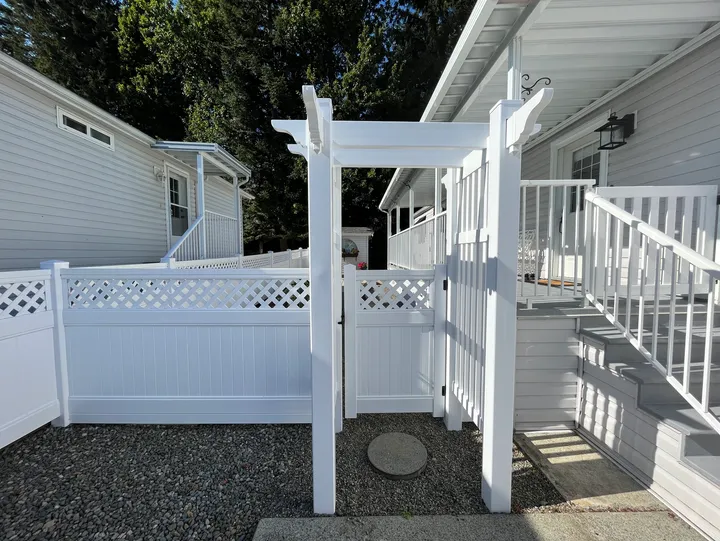
When it comes to choosing fencing for your home, you’re not only looking for durability and aesthetics but also considering its impact on the environment. Vinyl fencing is a popular option, but is it eco-friendly? In this blog post, we’ll explore the environmental aspects of vinyl fencing to help you make an informed decision for your property.
Vinyl fencing has gained popularity over the years due to its low maintenance, long lifespan, and clean appearance. However, its environmental impact has been a subject of debate. Let’s delve deeper into this matter.
VINYL FENCING: THE BASICS
Before we dive into the eco-friendliness of vinyl fencing, let’s understand what vinyl fencing is. Vinyl fencing is made from polyvinyl chloride (PVC), a synthetic plastic. PVC is known for its durability and resistance to elements, making it an attractive choice for fencing materials.
THE MANUFACTURING PROCESS
One key aspect of assessing the eco-friendliness of vinyl fencing is examining its manufacturing process. The production of PVC involves the use of chemicals and energy-intensive processes, which can have negative environmental implications. However, advancements in technology have led to more efficient manufacturing processes, reducing energy consumption and emissions.
LONGEVITY AND MAINTENANCE
Vinyl fencing stands out for its exceptional longevity. Unlike wood, it doesn’t require regular painting, staining, or sealing, which can involve the use of environmentally harmful chemicals. Its resistance to rot, pests, and weathering means fewer resources are used in maintenance over the years.
RECYCLABILITY
Another factor to consider is the recyclability of vinyl fencing. PVC can be recycled, but it’s not as straightforward as recycling materials like aluminum or glass. While some vinyl fencing can be repurposed, it often ends up in landfills due to limited recycling facilities. However, advancements in PVC recycling are being made, which could improve its eco-friendliness in the future.
CHEMICAL CONCERNS
One aspect of vinyl fencing that raises environmental concerns is the release of chlorine gas when it’s exposed to fire. Chlorine gas is harmful to the environment and can contribute to air pollution. However, vinyl fencing is not typically used in applications where fire exposure is a significant concern, such as building materials.
LANDFILL IMPACT
Like many plastic products, vinyl fencing can contribute to landfill waste if not properly disposed of or recycled. To minimize this impact, consider options for recycling or repurposing old vinyl fencing instead of sending it to the landfill.
So, is vinyl fencing eco-friendly? It’s a complex question with no straightforward answer. While the manufacturing process and potential chemical concerns raise environmental red flags, vinyl fencing’s durability and low maintenance can reduce its overall environmental impact over time. Additionally, efforts to improve recycling and reduce emissions in PVC production show promise for a more eco-friendly future for vinyl fencing.
When considering vinyl fencing for your property, it’s essential to weigh these factors against your specific needs and environmental priorities. Remember that vinyl fencing, like many products, is just one piece of the larger sustainability puzzle. Making environmentally conscious choices in all aspects of your life can collectively contribute to a greener future.
In conclusion, vinyl fencing offers benefits such as longevity and low maintenance but has environmental drawbacks related to its manufacturing process and recyclability. To make vinyl fencing more eco-friendly, ongoing advancements in production and recycling methods are necessary. Ultimately, whether vinyl fencing aligns with your eco-conscious goals depends on your specific circumstances and priorities.