
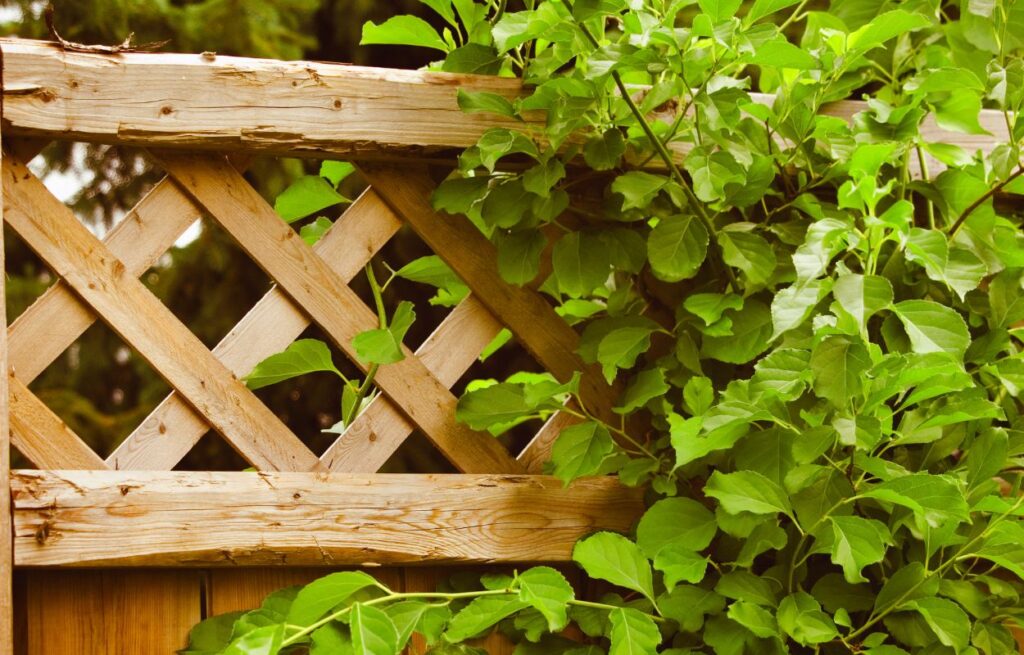
Dealing with creeping vegetation can be a daunting task for many homeowners. This persistent green menace can overtake your beautiful garden and landscaping, causing all sorts of issues. Creeping vegetation can also cause issues with your fencing over time, so it’s important to deal with it before it gets out of hand. In this blog post, we’ll explore effective strategies to combat creeping vegetation and keep your fencing safe.
UNDERSTANDING CREEPING VEGETATION
Before we dive into solutions, let’s first understand what creeping vegetation is. Creeping vegetation refers to plants that spread aggressively, often covering large areas and choking out other desirable plants. These include species like ivy, groundcover vines, and certain grasses. The key to tackling this challenge is to address it promptly and consistently.
IDENTIFYING THE PROBLEM AREAS
The first step in getting rid of creeping vegetation is to identify the problem areas in your garden or yard. Walk around your property and note where these invasive plants are most prevalent. This will help you develop a targeted plan of action.
MANUAL REMOVAL
One of the most straightforward methods for handling creeping vegetation is manual removal. Grab a pair of gardening gloves, a trowel, and get to work. Carefully dig out the roots and pull up the plants by the base. Make sure to get as much of the root system as possible. Be persistent and thorough in your efforts, as even a small fragment left behind can lead to regrowth.
MULCH AND LANDSCAPE FABRIC
To prevent creeping vegetation from returning, consider using mulch and landscape fabric. Mulch helps in two ways. First, it suppresses weed growth by blocking sunlight. Second, it retains moisture, making it harder for invasive plants to establish themselves. Landscape fabric placed beneath the mulch provides an extra layer of protection by creating a barrier that hinders weed growth.
HERBICIDES
If manual removal and mulching aren’t enough to control creeping vegetation, you may need to turn to herbicides. Select a herbicide specifically designed for the type of vegetation you’re dealing with and follow the manufacturer’s instructions carefully. Herbicides can be effective, but they should be used with caution, as they can harm desirable plants if not applied correctly.
REGULAR MAINTENANCE
Once you’ve taken action to get rid of creeping vegetation, the work doesn’t end there. Regular maintenance is key to preventing a resurgence. Regularly inspect your garden for any signs of creeping vegetation and address them promptly. This might include pulling up a few stray shoots or reapplying mulch and landscape fabric in problem areas.
In conclusion, handling creeping vegetation is a challenge, but with the right approach, it can be managed effectively. Start by identifying the problem areas and then employ a combination of manual removal, mulch, landscape fabric, and, if necessary, herbicides. Regular maintenance is crucial to keep your garden or yard free from these invasive plants. Protect your fencing by ensuring that creeping vegetation doesn’t take over and cause unnecessary damage. By following these strategies, you can regain control over your outdoor space and enjoy a beautiful, weed-free fence. Remember, getting rid of creeping vegetation is an ongoing process, so stay vigilant and enjoy your fencing to the fullest.