
Residential Fencing
Residential fencing is not just about marking your territory; it’s a fundamental aspect of your property.
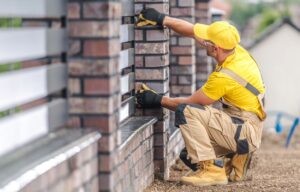
Residential fencing is not just about marking your territory; it’s a fundamental aspect of your property.

This blog post will explore the various aspects of fencing for security, shedding light on its importance.
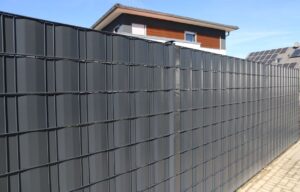
When it comes to creating a serene and private oasis in your own backyard, fencing is your best friend.

Creeping vegetation can also cause issues with your fencing over time, so it’s important to deal with it before it gets out of hand.

In this blog post, we will explore the many advantages of using metal fencing in various applications.

In this blog post, we will explore the differences between metal and vinyl fencing, helping you make an informed decision for your specific needs.

In this blog post, we’ll explore the wide array of fencing options available, each tailored to meet specific needs.

Fences have been an essential part of human civilization for centuries. They serve various purposes, including marking home property boundaries, enhancing security, and adding aesthetic appeal to properties. When it comes to selecting the right fencing type, one crucial factor to consider is their strength. In this blog post, we’ll explore the strength of different fencing types and help you make an informed decision for your property. WOODEN FENCES: A CLASSIC CHOICE Wooden fences have been a popular choice for their timeless charm and versatility. They provide moderate strength, making them suitable for residential properties. However, wooden fences may require regular maintenance to withstand the test of time. CHAIN LINK FENCES: DURABILITY IN SIMPLICITY Chain link fences are known for their durability and affordability. Made from interwoven steel wires, these fences offer excellent strength and require minimal maintenance. They are often used in commercial and industrial settings, offering security and

A sturdy fence can be a great addition to your property, providing security and privacy. However, without proper maintenance, your fence can fall victim to the whims of Mother Nature. Rain, wind, and sun can all take their toll, causing your fence to deteriorate over time. To keep your fence standing tall and strong, it’s essential to weatherproof it. In this blog post, we’ll explore how to weatherproof your fence effectively. CHOOSING THE RIGHT MATERIALS The first step in weatherproofing your fence is to ensure it’s made from the right materials. Not all materials are created equal when it comes to standing up to the elements. While wood fences are popular, they can be susceptible to rot and decay when exposed to moisture. Consider using materials like vinyl or metal, which are more resistant to water damage. Choosing the right materials is the foundation of weatherproofing your fence. SEALING AND

When you have furry friends at home, creating a safe and secure environment for them is a top priority. One crucial aspect of this is choosing the right type of fencing for your property. In this blog post, we will explore the world of pet-friendly fencing, providing you with valuable insights into what makes a fence suitable for your beloved pets. THE IMPORTANCE OF PET-FRIENDLY FENCING Before delving into the specifics, let’s understand why pet-friendly fencing is essential. Pets, whether dogs, cats, or any other, love to explore their surroundings. It’s in their nature to be curious. While this is fantastic for their mental and physical well-being, it can also put them at risk if your fence doesn’t cater to their needs. HEIGHT MATTERS The first thing to consider when choosing pet-friendly fencing is its height. Dogs, in particular, can be excellent jumpers. A fence that is too low might