
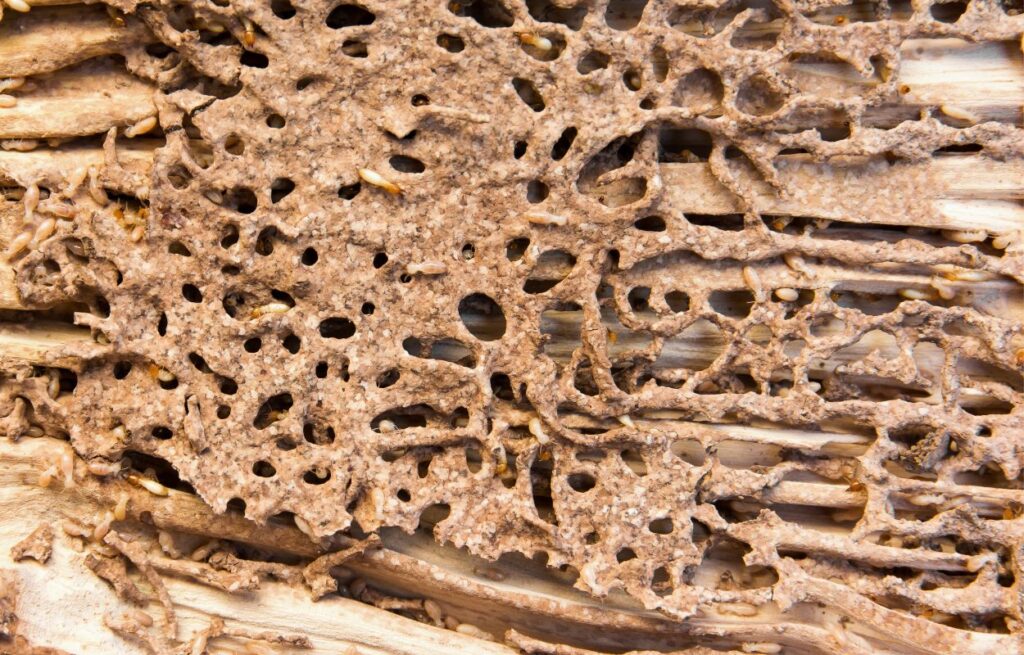
Wood fencing is a popular choice for Vancouver Island homeowners seeking a classic and natural aesthetic to enhance their property. While wood fences can be durable and visually appealing, they are not immune to the threat of termites. In this blog post, we will explore the relationship between wood fencing and termites, highlighting the importance of termite control for fencing to protect your investment.
UNDERSTANDING TERMITE BEHAVIOR
Termites are silent invaders that thrive on cellulose, a component found in wood. These tiny pests can go undetected for long periods, causing significant damage to your wooden fence before you even notice their presence. Recognizing the signs of termite infestation is crucial for timely intervention.
THE IMPACT ON WOOD FENCING
Termites can wreak havoc on wood fencing by consuming the cellulose within the structure, leading to structural weaknesses and compromising the fence’s integrity. If left unchecked, termite damage may require costly repairs or even complete replacement of the fencing. It’s essential to take preventive measures to mitigate the risk of infestation.
CHOOSING TERMITE-RESISTANT WOOD
One effective strategy for termite control for fencing is selecting wood that naturally repels termites. Certain types of wood, such as cedar and redwood, contain natural oils and chemicals that make them less appealing to termites. Opting for these termite-resistant wood options can significantly reduce the likelihood of infestation and increase the longevity of your fence.
REGULAR INSPECTIONS
Regular inspections play a crucial role in early termite detection and prevention. Inspect your wood fencing at least once a year, paying close attention to areas where the fence comes into contact with the soil. Look for signs like mud tubes, hollow-sounding wood, or tiny holes, which may indicate termite activity. Early intervention is key to avoiding extensive damage.
PROTECTIVE TREATMENTS
Applying termite-resistant treatments to your wood fence can serve as a proactive measure against termite infestation. These treatments create a protective barrier, deterring termites from making your fence their next meal. Consult with a professional pest control service to determine the most suitable treatment for your specific type of wood and local termite pressures.
MAINTENANCE PRACTICES
In addition to termite-resistant wood and protective treatments, adopting proper maintenance practices can further enhance the longevity of your wood fence. Ensure that your fence is not in direct contact with soil, as this can create an entry point for termites. Trim any vegetation or shrubbery around the fence to eliminate potential hiding spots for termites. Regularly clean the fence to remove dirt and debris that might attract these pests.
In conclusion, wood fencing adds charm and character to your property, but it is essential to be vigilant about termite control for fencing to safeguard your investment. Understanding termite behavior, choosing termite-resistant wood, conducting regular inspections, and applying protective treatments are all integral components of an effective termite prevention strategy. By taking these proactive measures, you can enjoy the beauty of your wood fence for years to come without the worry of termite-induced damage. Keep in mind that prevention is the key to preserving the longevity and aesthetics of your wood fencing.